

Always Wonder!
Far from a cliche!

Those of you who have been on this education and writing journey with me for any time at all know that my guiding philosophy is based on children (and the rest of us) maintaining a lifelong sense of wonder.
Emersyn Blake heralds those two words in all of her books, and they are the trademark of my entire Collazo Cove brand.
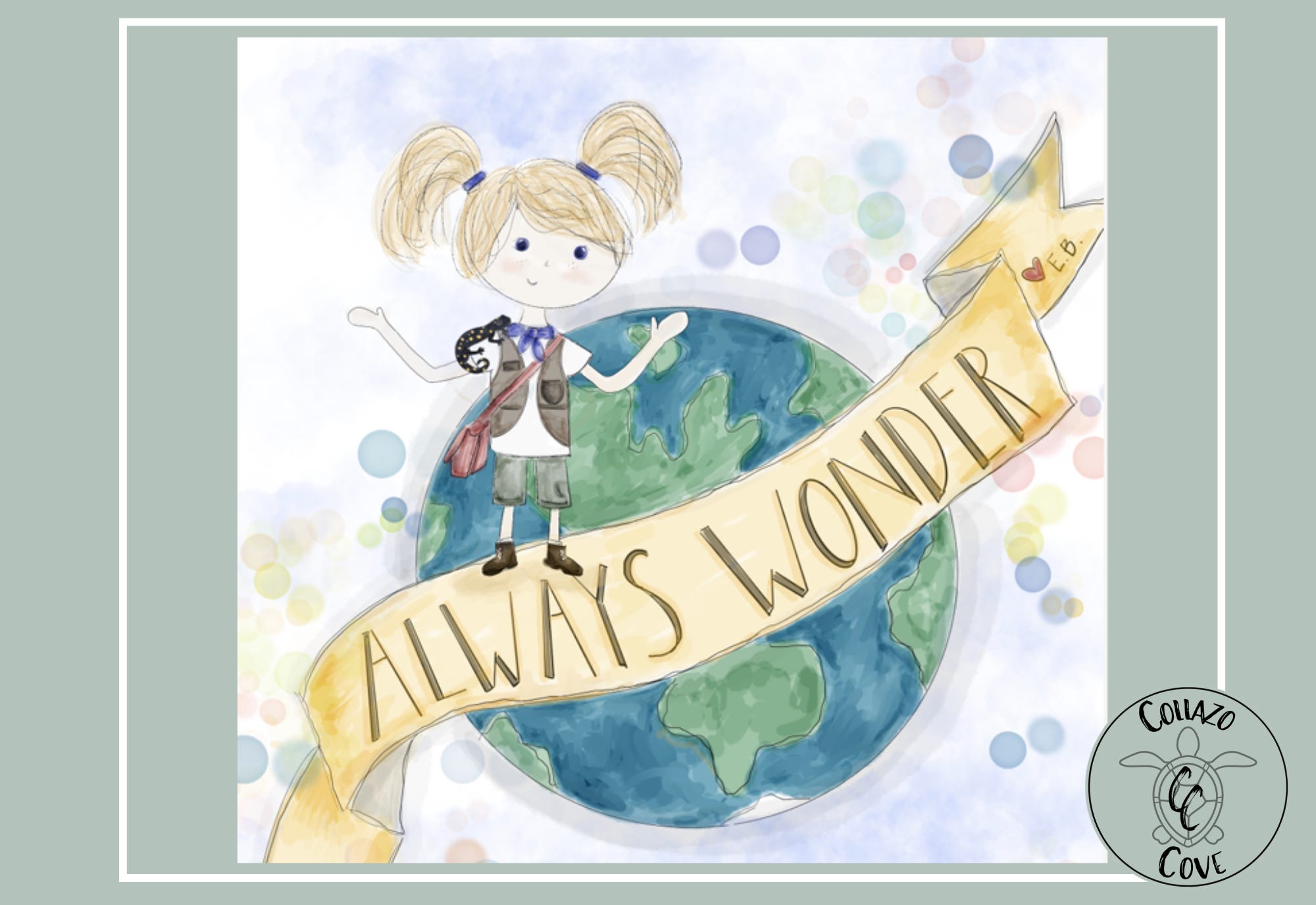
So I was a bit taken aback when a recent thread on X was filled with educators mocking and denouncing the use of “What do you notice? What do you wonder?”
To be fair, the context revolved around the ridiculous icebreakers and other nonsense that often accompany the poor professional development educators are subjected to, especially at the start of every school year.
However, I’ve done a lot of research on the science behind wonder and learning, and it’s more important than people realize! Here are a few key research-supported points:
Wonder activates the brain’s learning systems
When we become curious, the brain not only becomes interested, it literally prepares itself to learn.
Curiosity activates the hippocampus, which creates long-term memories, and the dopamine reward system, which increases motivation and attention.
Students are more likely to remember information learned while they are genuinely wondering about something. Researchers also found that unrelated information presented while curiosity was piqued was remembered as well.
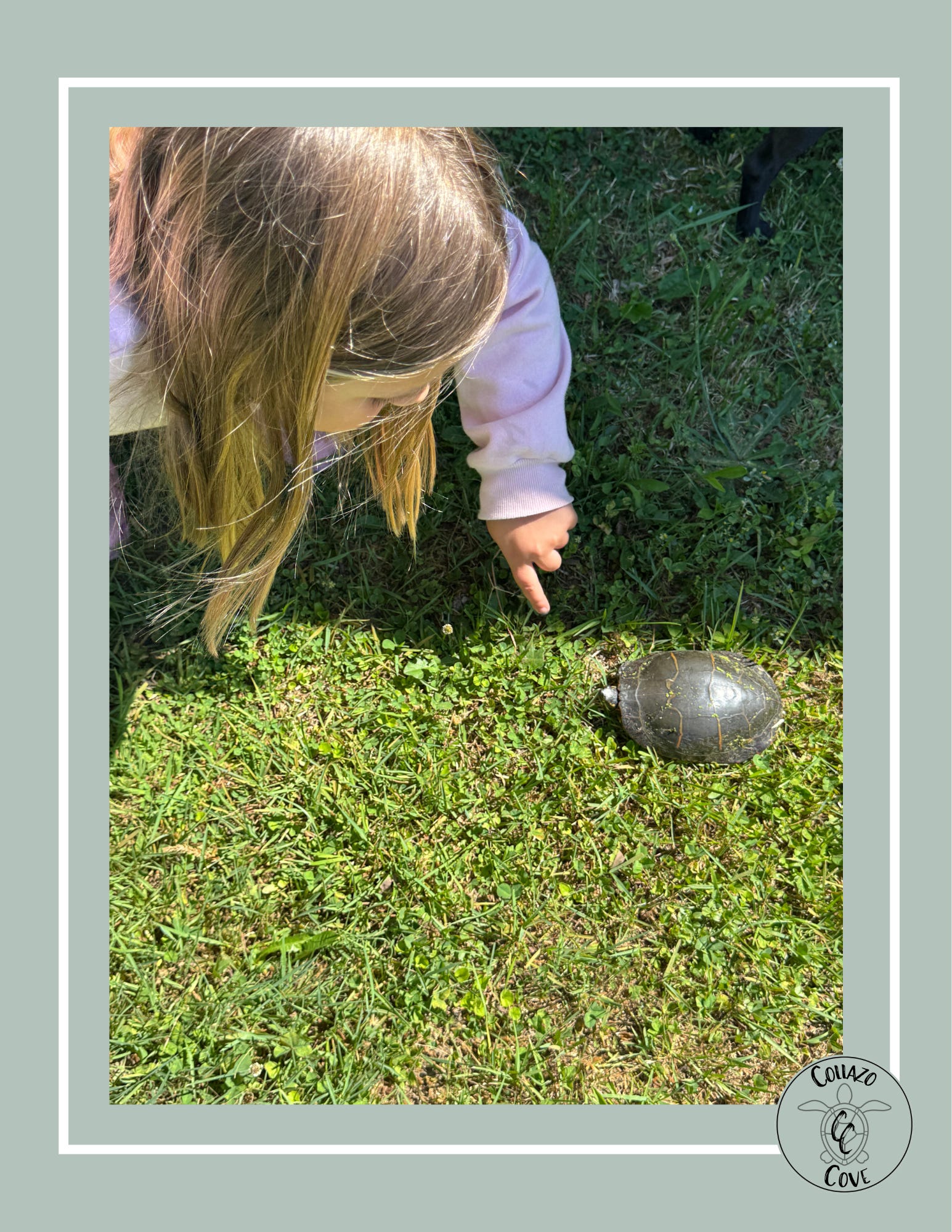
Wonder creates an information gap
Wonder begins when we realize we know something…but don’t know enough.
That gap between what we know and what we want to know creates an uncomfortable tension that motivates us to seek answers.
Wonder increases attention and persistence
Students work longer on difficult tasks when they are curious.
Curiosity increases attention, exploration, willingness to struggle, and persistence after failure.
Instead of working because the teacher asked them to, students continue because they genuinely want to know.
Curiosity supports deeper engagement and stronger learning outcomes, especially in science education.
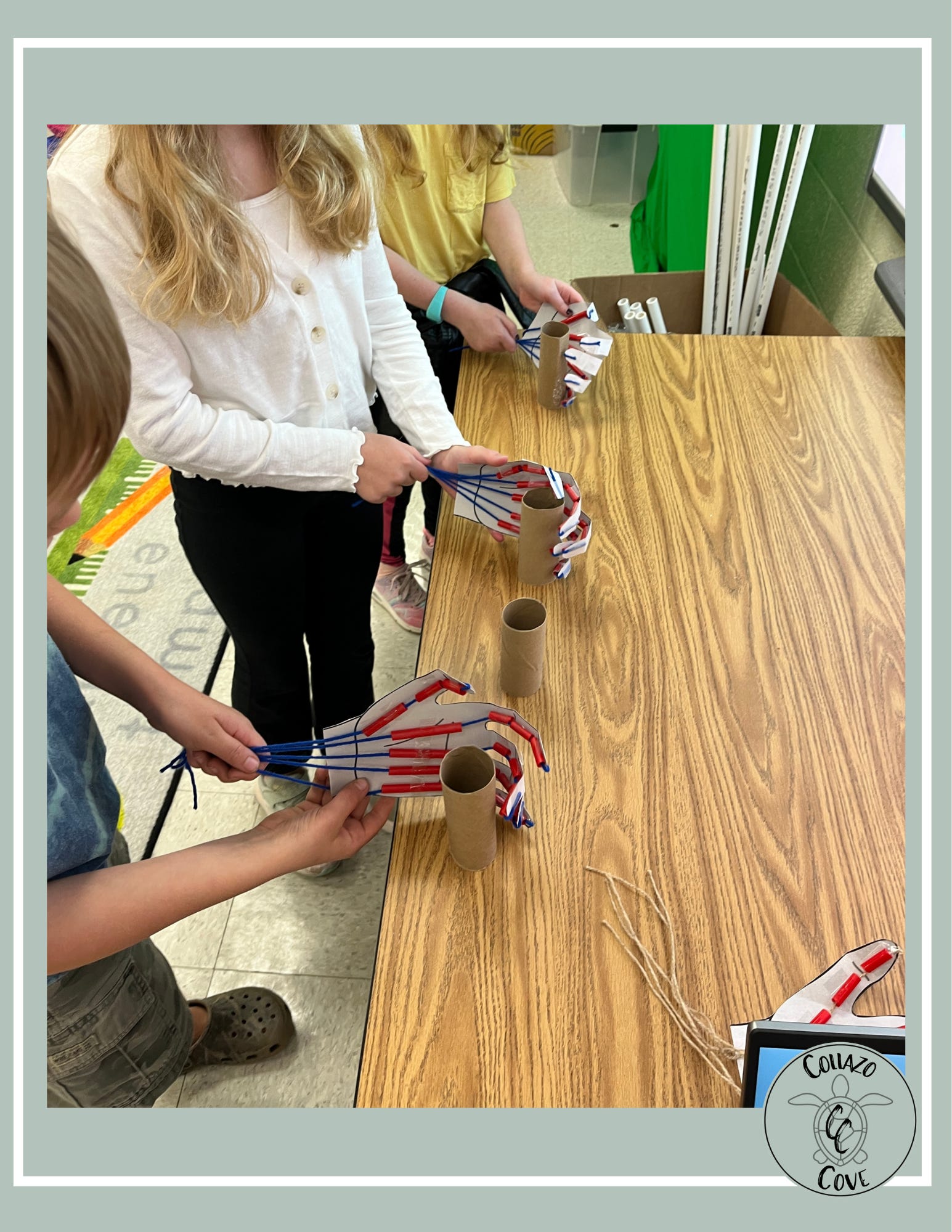
Wonder helps students remember more
Curiosity doesn’t only improve memory for the answer; it also improves memory for everything happening around that moment (known as incidental learning).
When curiosity is high, the brain becomes more receptive to new information. This means that creating wonder before introducing vocabulary, concepts, or procedures can make the entire lesson more memorable. Hence, the research-supported trend in science curriculum development known as Phenomenon-Based Instruction.
Wonder leads to deeper scientific thinking
Wonder naturally encourages the behaviors scientists use every day, like asking questions, making observations, noticing patterns, forming explanations, testing ideas, and revising thinking.
Rather than simply remembering facts, students begin thinking like scientists.
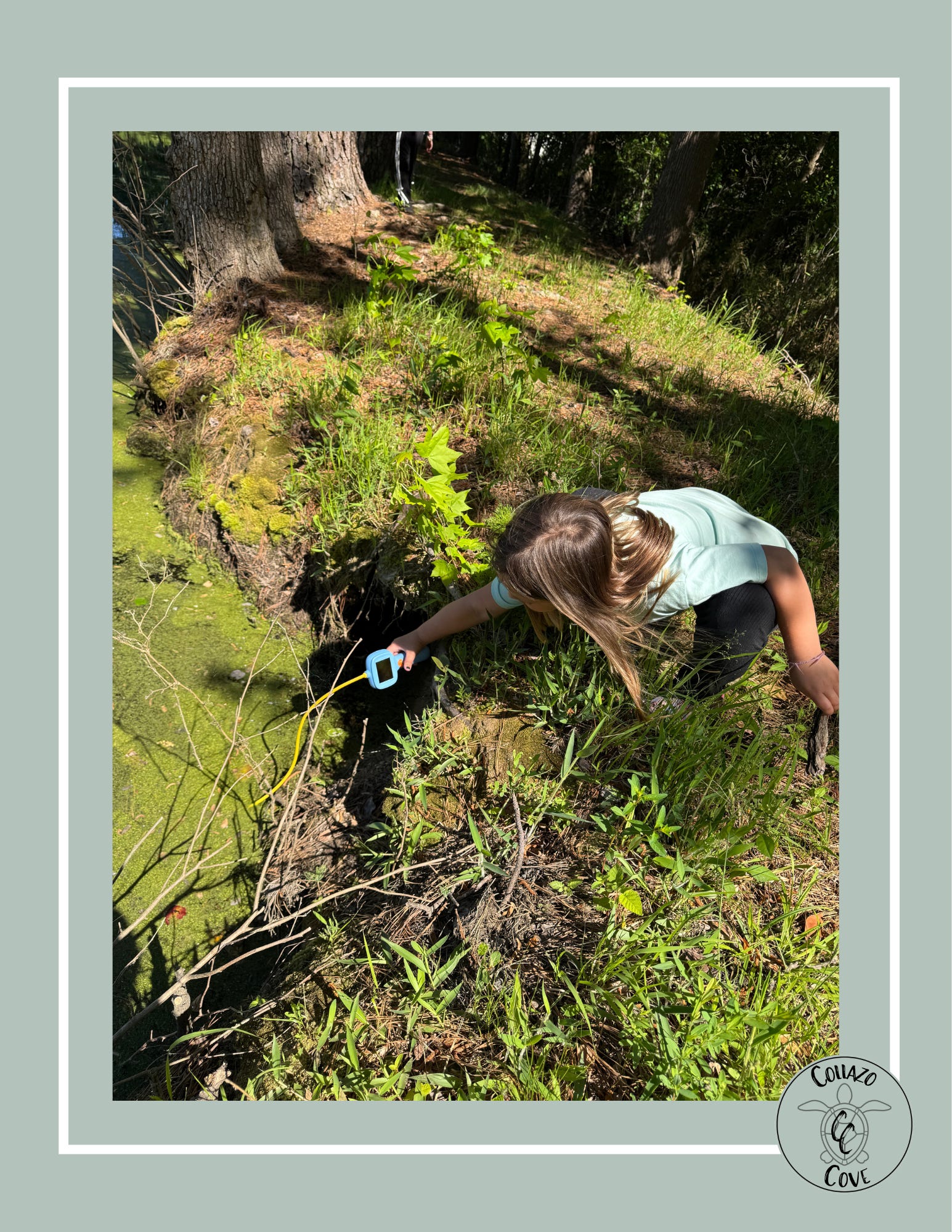
So, yes, I still see the value in asking “What do you notice? What do you wonder?” It's natural for there to be differing opinions, but I find the research far more compelling than anecdotal reactions on social media.
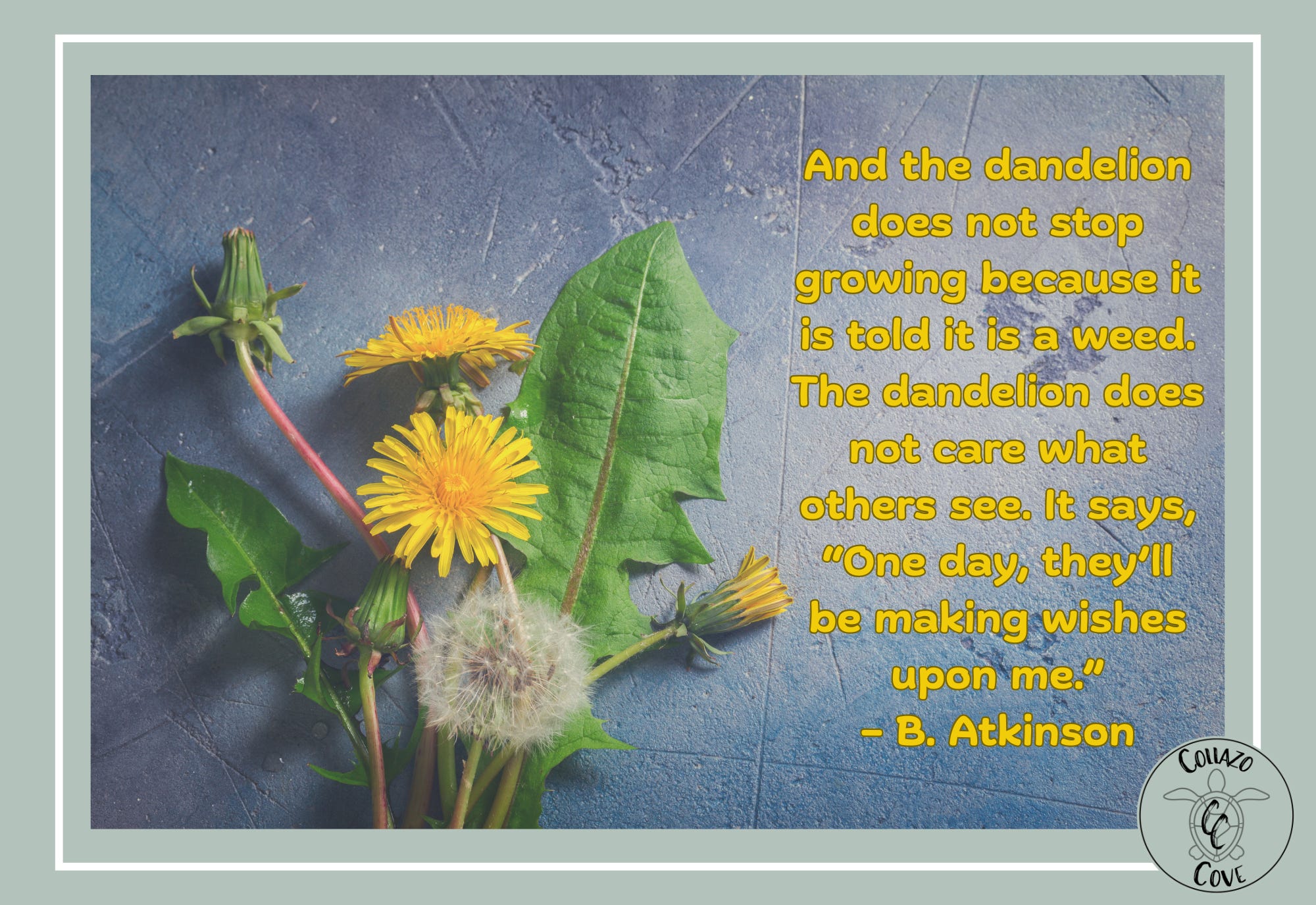
Favorite Quote
Focus on STEM (free monthly STEM lesson)
This post’s lesson, Magnificent Monsters, is great for the start of the school year when things seem a little scary, and we want to jump right into the joy of the engineering design process. It is simple and incorporates the beloved picture book Where the Wild Things Are. (Shout out to my friend Heather Russell for the original idea!)

Standards this lesson will address in addition to animal adaptations:
K-2-ETS1-1: Ask questions, make observations, and gather information about a situation to define a simple problem that can be solved through a new or improved object or tool. (Understanding the constraints: height, stability, features).
K-2-ETS1-2: Develop a simple sketch, drawing, or physical model to illustrate how the shape of an object helps it function as needed. (Building the physical monster model).
CCSS.MATH.CONTENT.K.MD.A.1 / 1.MD.A.1: Describe measurable attributes of objects, such as length or height, and directly compare two objects. (Measuring the monster against the 4-block height constraint).
CCSS.MATH.CONTENT.K.CC.B.5: Count to answer “how many?” about as many as 20 things. (Counting block heights and checking for 3 distinct “wild” features).
CCSS.ELA-LITERACY.RL.K.1 / RL.1.1: Ask and answer questions about key details in a text. (Identifying details from Maurice Sendak’s illustrations—like claws, horns, and scales—to inspire their build).
CCSS.ELA-LITERACY.RL.K.3 / RL.1.3: Identify characters, settings, and major events in a story. (Connecting character attributes from the Wild Things to their physical design).
CCSS.ELA-LITERACY.W.K.2/1.2: Use a combination of drawing, dictating, and writing to compose informative/explanatory texts in which they name what they are writing about and supply some information about the topic. (If you choose to have them write about their monster creation. For example: "My Wild Thing is ___ blocks tall and has ___.")
Fantastic Picture Books
As I’ve been thinking about all my educator friends heading back to school, I wanted to share three of my favorite first week picture books. These always helped me set the tone that our classroom values perseverance, teamwork, and of course, wondering! (Images are affiliate links which will not cost you extra but will support independent bookstores!)

From the publisher:
What do you do with an idea—especially one that’s different, daring, or a little wild? This is the story of a brilliant idea and the child who helps bring it into the world. It’s a story for anyone, at any age, who has ever had an idea that felt too big, too unusual, or too difficult. It encourages readers to welcome their ideas, give them space to grow, and see what’s possible.

From the publisher:
You are the only you there ever has been or ever will be. Just the odds of you being here at this exact place and this exact time are so great and so rare that it will never happen again. This is a story for everything you will do and everything you can be—for who you are right now and all the magical, unbounded potential you hold inside. With rich, enchanting illustrations, Maybe is a reminder that you were meant for incredible things. And maybe, just maybe, you will exceed your wildest dreams.

From the publisher:
All across this great big world, jobs are getting done
by many hands in many lands. It takes much more than ONE.
Gorgeously written and illustrated, this is an eye-opening exploration of the many types of work that go into building our world--from the making of a bridge to a wind farm, an amusement park, and even the very picture book that you are reading. An architect may dream up the plans for a house, but someone has to actually work the saws and pound the nails. This book is a thank-you to the skilled women and men who work tirelessly to see our dreams brought to life.
Featured Follow
The other day while walking on our pond dam, I came across these three species of mushrooms within arm's distance of each other.


Serendipitously, I had just read this post, The Magic of Mushrooms in Space, on the blog of one of my favorite STEM companies, Databot. Never heard of them?
databot™ is a low-cost, friendly and engaging all-in-one sensor device that combines 15 internal sensors, 1 external temperature probe (supports two simultaneous probes), Bluetooth low energy wireless, and WiFi to provide a remarkably versatile educational tool for students from grades 4 and up.
If you teach upper elementary science (or higher) or have curious kids at home who love to wonder and explore, make sure you follow what this amazing group is doing. They are the epitome of making “What do you wonder?” come to life!
Falling Foward
Early in my career as an educator, when the internet finally became an available thing in public school (yes, I am that old), I created a class website. My classroom theme has always been ocean-related, so my site became Collazo Cove, the digital home for me and my students.
Over the years, it has morphed and changed with technological advances, career shifts, and now, as I wade in the waters of this thing called retirement, my new life goals.
I have spent the last few weeks moving my site and domain to a new host and totally revamping it, starting from scratch (If anyone is thinking of doing the same, I HIGHLY recommend Articulation!).
I don’t know much HTML and am not a web designer by any stretch, but I’m super proud of how it came out. I’d love for you to stop in and visit at collazocove.com! Let me know what you think!
To all of you preparing for a new school year, I wish you a wonderful year filled with magical moments with your students. To all of my picture book friends, here’s to agent/editor/publisher doors finally reopening! May you find just the right one through which to continue your journey!
All the best,
Kim
Congrats on creating a beautiful new website. And for sticking with wonder!